440-829-0559
When homeowners think about protecting their property, the roof often receives the most attention. While roofing is essential, siding serves as another critical layer of defense that shields a home from weather, moisture, pests, and energy loss throughout the year. High quality siding does more than improve curb appeal. It preserves structural integrity, enhances efficiency, and helps maintain indoor comfort during every season.
Choosing the right siding and maintaining it properly can prevent expensive repairs while increasing the long term value of a home. Understanding how siding functions throughout the year highlights why this exterior feature deserves careful consideration.
Your home’s siding acts as a barrier between the interior structure and the outdoor environment. Rain, snow, wind, and extreme temperatures constantly place stress on exterior surfaces. Without reliable siding, moisture can penetrate walls and cause significant damage over time.
During heavy rainfall, properly installed siding helps direct water away from the home’s framework. In colder climates, it reduces the risk of moisture freezing inside walls, which can lead to cracking and structural deterioration. Strong siding materials also help homes withstand high winds and flying debris during storms.
Because weather conditions vary throughout the year, siding must consistently perform under changing environmental pressures.
Moisture intrusion is one of the most serious threats to residential structures. When water enters through damaged or poorly installed siding, it can lead to rot, warped framing, and mold development.
Mold growth not only damages building materials but may also affect indoor air quality. Once moisture becomes trapped behind walls, repairs can become expensive and time consuming.
Proper siding installation creates a protective seal that limits water penetration and allows the home to manage humidity more effectively. Many modern siding systems also include moisture barriers and ventilation features designed to improve drainage and airflow.
Siding contributes significantly to a home’s insulation and energy performance. Gaps, cracks, or aging materials allow heated and cooled air to escape, forcing HVAC systems to work harder throughout the year.
During winter months, insulated siding helps retain indoor warmth and reduces heat loss. In summer, it minimizes heat transfer from direct sunlight, helping maintain cooler interior temperatures.
Improved energy efficiency often results in lower utility bills and a more comfortable living environment. For homeowners looking to reduce long term energy costs, siding upgrades can provide meaningful benefits.
Damaged siding creates entry points for insects, rodents, and other unwanted pests. Small openings around panels or trim can quickly become access routes into walls and attics.
Wood destroying insects such as termites and carpenter ants are particularly dangerous because they compromise structural components from within. Once pests establish themselves inside a home, extermination and repairs may become costly.
Durable, properly maintained siding helps eliminate vulnerabilities that pests commonly exploit. Routine inspections can also identify early warning signs before infestations spread.
Siding protects the underlying framework of a home from long term wear and environmental exposure. Constant contact with moisture, sunlight, and temperature fluctuations can weaken structural materials over time if exterior protection is inadequate.
Quality siding reduces strain on framing and insulation by acting as a protective outer shell. Materials such as fiber cement, engineered wood, and vinyl are specifically designed to endure years of exposure while maintaining stability and appearance.
Homes with well maintained siding are often better equipped to handle seasonal expansion, contraction, and environmental stress.
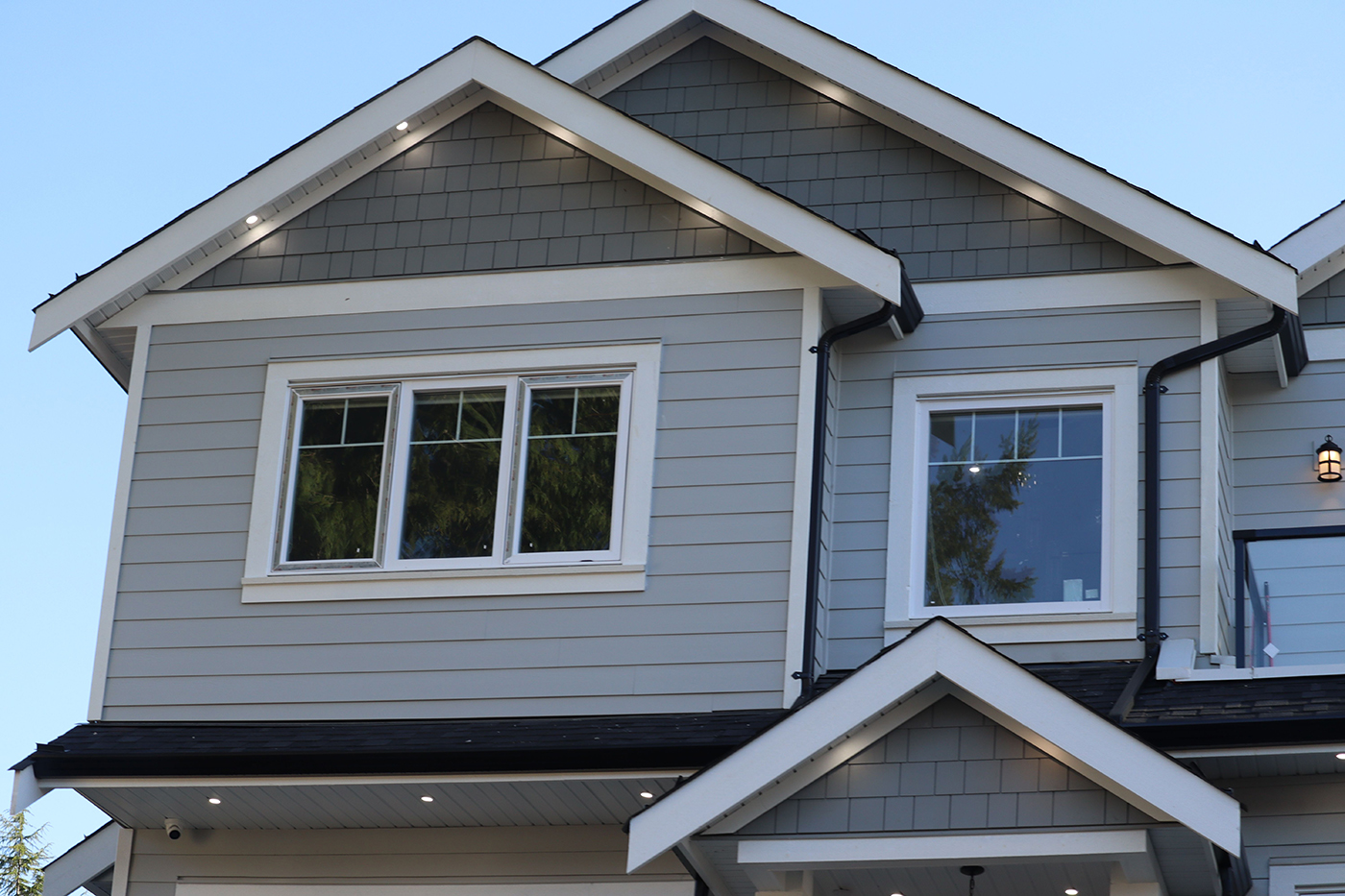
Beyond protection, siding plays a major role in a home’s overall appearance. Clean, modern siding creates a polished exterior that improves curb appeal and leaves a strong impression on visitors and potential buyers.
Faded, cracked, or outdated siding can make an otherwise attractive property appear neglected. Replacing aging siding often transforms the visual character of a home while increasing market value.
Because exterior appearance strongly influences buyer perception, updated siding can become a worthwhile investment for homeowners planning to sell in the future.
Different siding materials offer varying levels of durability, maintenance, and visual appeal. Homeowners should consider climate conditions, budget, and architectural style before selecting a product.
Some common siding options include:
Each material has unique advantages, so consulting with an experienced contractor can help homeowners determine the best fit for their needs.
Even high quality siding requires occasional maintenance to remain effective. Dirt buildup, loose panels, cracks, and water stains should never be ignored.
Routine inspections can identify minor problems before they develop into serious structural concerns. Cleaning siding annually and addressing repairs promptly can significantly extend its lifespan.
Homeowners who invest in maintenance often avoid larger restoration projects and preserve the long term performance of their exterior systems.
Proper siding serves as a year round defense system that protects homes from moisture, severe weather, pests, and energy loss. It also contributes to structural stability, visual appeal, and property value.
Whether building a new home or upgrading an older exterior, selecting durable siding and maintaining it carefully can provide lasting benefits for decades. A well protected home begins with strong exterior materials, and siding remains one of the most important components in preserving both comfort and security year after year.
Professional roofing and exterior services including chimneys, siding, and gutters for North Royalton, OH and beyond.